
Preface:
These 12 blog posts are not meant for reading, but for reference. When you forget some basic knowledge, just open the page and use Ctrl + F to search for keywords.
P.S. If you can't find something in the corresponding category, please let me know so I can add it as soon as possible. Of course, I'll also occasionally add some omitted content
Table of Contents
Thoughts on "JavaScript Advanced Programming"
The Chinese 3rd Edition is the latest version:
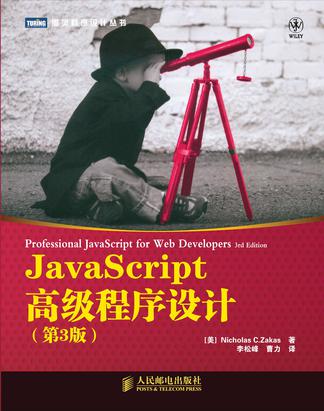
Published in 2012, but not outdated. In one word: a very comprehensive introductory book.
Why is it the best choice for JS beginners? Because it's thick enough (730 pages). Getting started doesn't mean carefully browsing through the W3C School JS tutorial once in a day, or seriously flipping through API manuals... That's far from enough.
Requirements for introductory books should be:
-
Comprehensive
Introduction means comprehensive understanding, including basics, features, and advanced functionality
-
Detailed
Meticulous detail is best. Although readers cannot and don't need to remember all details, introductory books should provide them, at least giving readers the opportunity to understand details
-
Contains Common Knowledge
Should include common knowledge about performance, functionality, optimization, solution selection, coding, etc. Simply providing API lists is meaningless. Practical experience summarized by authors is most valuable
The first two points mean such books cannot be thin. The last point is what many books lack. "High-Level JavaScript" basically satisfies all three points, making it a good introductory book.
P.S. While reading "High-Level JavaScript", I was also reading "PHP and MySQL Web Development" (4th Edition), hailed as the PHP Bible. I deeply felt the huge gap between them. If I give "High-Level JavaScript" 8 points, then the PHP Bible can only get 3 points at most.
No comments yet. Be the first to share your thoughts.